
The Application Value of Large-Scale Container Ess in New Energy Power Plants
2026-02-18 10:00
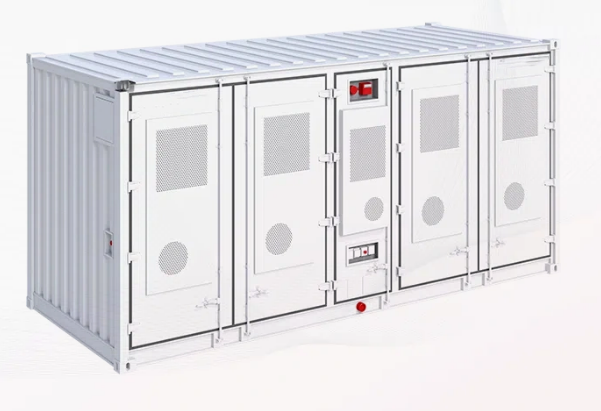
As the global energy structure accelerates its transformation towards low-carbon and clean energy, the installed capacity of new energy sources, represented by wind and solar power, continues to grow. However, due to the intermittent and fluctuating nature of new energy power generation, problems such as peak-valley mismatch and supply-demand imbalance often occur in actual grid operation. Large-scale container ess, as a highly efficient energy regulation device, is becoming a key force in achieving stable operation and improving energy utilization efficiency in new energy power plants.
Large-scale Container Ess adopts a modular and integrated design, pre-installing core components such as battery modules, energy storage management systems (BMS), and power conversion systems (PCS) in a standard container structure, allowing for flexible deployment according to site requirements. This standardized design not only simplifies on-site construction and installation processes but also greatly improves the system's deployment speed and scalability, enabling flexible configuration of capacities from hundreds of kilowatt-hours to tens of megawatt-hours to meet the energy storage needs of new energy power plants of different sizes.
In practical applications, Large-scale Container Ess can first effectively alleviate the contradiction between the power generation of new energy power plants and the grid load. By storing excess electrical energy during low-load periods and releasing it during high-load periods or when renewable energy output declines, energy storage systems can significantly improve energy utilization, reduce wind and solar curtailment, and thus enhance the overall power generation efficiency of renewable energy power plants.
These energy storage systems also provide various ancillary services to the power grid, such as frequency regulation, reactive power support, and peak shaving and valley filling, which help improve the stability and resilience of the regional power grid. In the context of high renewable energy penetration, these functions are particularly important for ensuring the safe operation of the power system.
The intelligent control and thermal management technologies of Large-scale Container Ess enable them to maintain efficient and safe operation even under extreme conditions. Advanced battery management systems (BMS) can achieve real-time monitoring and optimized control of battery status, extending system life and reducing the risk of failure.
Large-scale Container Ess not only improve the power generation efficiency and economy of renewable energy power plants but also enhance the flexibility and reliability of the power grid. With the continuous decline in energy storage costs and the increasing maturity of the technology, its application prospects in renewable energy power plants will become even broader, providing strong support for promoting energy transition and building a low-carbon power system.
Related News

5 days left to start the CHINA WIND POWER (CWP)
Sep 18,2025

Get in touch with us!


