
Analysis of Key Safety Design Considerations for Large-scale Container Ess
2026-02-11 09:41
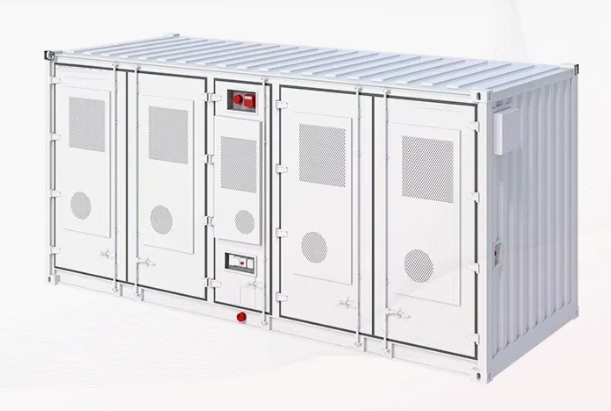
With the accelerating global energy transition, containerized energy storage systems, due to their high integration, flexible deployment, and modular expansion capabilities, are widely used in new energy power plants, microgrids, peak shaving, and industrial and commercial energy storage. Large-scale Container Ess, in particular, play a crucial role in improving renewable energy absorption, ensuring grid stability, and optimizing energy costs. However, ensuring their safe and stable operation has become a core concern in system design and engineering implementation.
I. Overall Safety Design Concept
The safety design of Large-scale Container Ess must be integrated throughout the entire system lifecycle, from research and development, manufacturing, and transportation to on-site installation, commissioning, and daily operation and maintenance. According to current energy storage system safety standards, the system must meet stringent safety requirements in terms of modularity, redundancy design, electrical safety, thermal management, and fire protection. This helps reduce the risk of failure and improve system reliability.
II. Modular and Zoning Design
Large-scale Container Ess (ESS) typically employ a modular battery cell and control unit zoning design. This separates the cells, battery pack, PCS (Power Conversion System), BMS (Battery Management System), and auxiliary equipment to mitigate the risk of fault propagation. Modular design not only facilitates cell maintenance and replacement but also allows for rapid isolation of affected areas in the event of localized anomalies, preventing the escalation of the accident. A well-designed zoning structure also improves local ventilation, contributing to the efficient operation of thermal management and heat dissipation systems.
III. Thermal Management and Heat Dissipation System
Thermal management is a critical aspect of energy storage system safety design. Lithium-ion batteries generate heat during charging and discharging. Excessive heat or uneven temperature distribution can lead to thermal runaway or even fire. Industry practices and standards recommend a combined active and passive thermal management strategy. This involves real-time monitoring of the battery pack temperature using air conditioning systems, liquid cooling systems, and sensors, ensuring that temperature differences are controlled within a reasonable range. Furthermore, the heat dissipation strategy should be automatically adjusted based on changes in ambient temperature to ensure the battery operates within the recommended safe temperature range.
IV. Electrical Protection and BMS Management
The Battery Management System (BMS) is the "brain" of a containerized energy storage system for safe operation. It monitors key parameters such as battery voltage, current, and temperature. Upon detecting overcharging, over-discharging, short circuits, or abnormal temperature rise, it can issue real-time warnings and implement safety strategies, such as reducing charging and discharging power or directly isolating faulty modules. Simultaneously, the system's electrical design must possess comprehensive lightning protection, insulation detection, and fault isolation functions to enhance overall electrical safety.
V. Fire Protection and Explosion-Proof Design
Large-scale Container Ess are typically equipped with automatic fire detection and extinguishing equipment. Depending on the scale and risk level of the energy storage system, gas extinguishing, dry powder extinguishing, or water sprinkler systems can be used. Furthermore, the energy storage compartment design should have a certain fire resistance rating and smoke extraction channels to ensure rapid control of fire and smoke spread in the event of an accident, maximizing the safety of on-site personnel and equipment.
VI. Transportation and On-Site Installation Safety
Due to the large size and weight of large-scale energy storage systems, safety risks also exist during transportation and installation. Products must be packaged and labeled in accordance with dangerous goods transport regulations. On-site construction must adhere to standardized requirements for hoisting, safety isolation, and grounding to ensure equipment safety during installation and commissioning.
The safety design of Large-scale Container Ess is not merely a stacking of single technologies, but a comprehensive consideration from multiple dimensions, including system architecture, electrical and thermal management, fire protection, and on-site construction. By following industry standards, adopting advanced design concepts, and optimizing solutions based on the site environment and application scenarios, the safety and stability of the system can be maximized, providing reliable support for energy transition and the efficient use of clean energy.
Related News

5 days left to start the CHINA WIND POWER (CWP)
Sep 18,2025

Get in touch with us!


