
Innovative Energy Storage: The Impact of Large Container ESS on Modern Utilities
2025-04-09 13:20
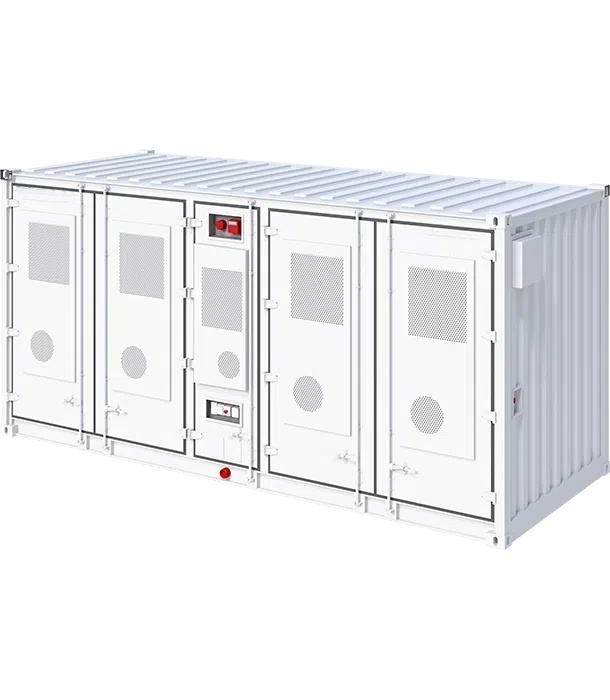
Innovative Energy Storage: The Impact of Large Container ESS on Modern Utilities
Table of Contents
1. Introduction to Energy Storage Systems2. Understanding Large Container Energy Storage Systems (ESS)3. Benefits of Large Container ESS in Modern Utilities4. Applications of Large Container ESS5. Challenges Facing Large Container ESS6. Future Directions for Energy Storage Technology7. Case Studies: Successful Implementations of Large Container ESS8. Conclusion9. FAQs
1. Introduction to Energy Storage Systems
In a rapidly evolving energy landscape, the need for effective energy storage solutions has never been more critical. As renewable energy sources such as solar and wind become increasingly prevalent, integrating these intermittent energy sources into the grid is essential. **Energy Storage Systems (ESS)** provide a vital solution, ensuring that excess energy generated during peak production times can be stored and utilized when demand increases. **Large Container ESS**, in particular, has emerged as a game-changer for modern utilities, offering scalable, flexible, and efficient energy storage solutions.
2. Understanding Large Container Energy Storage Systems (ESS)
Large Container Energy Storage Systems are advanced facilities designed to store electricity in large quantities. These systems utilize various technologies, including lithium-ion batteries, flow batteries, and even pumped hydro storage, to capture and release energy as needed. Characterized by their modular design, **Large Container ESS** can be deployed in various settings, from utility-scale installations to commercial applications.
One of the key advantages of **Large Container ESS** is their ability to provide grid services such as frequency regulation, load shifting, and peak shaving. By stabilizing the grid, these systems enhance the overall reliability and resilience of energy networks, making them an indispensable asset for modern utilities.
3. Benefits of Large Container ESS in Modern Utilities
The implementation of Large Container ESS offers numerous benefits to utilities and consumers alike. Here are some of the most significant advantages:
3.1. Improved Grid Stability
Large Container ESS provides essential grid services that help maintain a stable and reliable electricity supply. By quickly responding to fluctuations in demand and supply, these systems can prevent outages and ensure consistent power delivery.
3.2. Enhanced Renewable Energy Integration
With the growing reliance on renewable energy sources, Large Container ESS enables utilities to effectively store and distribute excess energy generated from solar and wind sources. This capability reduces the dependency on fossil fuels and contributes to a more sustainable energy mix.
3.3. Cost Savings and Operational Efficiency
By optimizing energy usage and reducing peak demand charges, Large Container ESS can lead to significant cost savings for utilities and consumers. Additionally, these systems minimize the need for expensive upgrades to existing infrastructure, enhancing overall operational efficiency.
3.4. Environmental Benefits
The environmental advantages of Large Container ESS are substantial. By facilitating the integration of renewable resources and reducing greenhouse gas emissions from fossil-fuel power plants, these systems play a crucial role in combating climate change.
4. Applications of Large Container ESS
Large Container ESS has a wide range of applications that benefit various sectors:
4.1. Utility-Scale Energy Storage
Utilities utilize Large Container ESS for large-scale energy storage projects, allowing for enhanced grid management and improved service reliability.
4.2. Commercial and Industrial Solutions
Businesses are increasingly adopting Large Container ESS to optimize their energy usage, reduce costs, and ensure a reliable power supply during peak demand periods.
4.3. Microgrids and Distributed Energy Resources
In microgrid applications, Large Container ESS can support local energy generation and consumption, providing enhanced flexibility and resilience to communities.
4.4. Emergency Backup Power
Large Container ESS can serve as a reliable source of backup power during outages, ensuring crucial services remain operational.
5. Challenges Facing Large Container ESS
Despite their many advantages, the implementation of Large Container ESS is not without challenges:
5.1. High Initial Costs
The upfront investment in Large Container ESS can be significant, which may deter some utilities from adopting these technologies. However, the long-term benefits often outweigh initial costs.
5.2. Technological Limitations
While advancements in energy storage technology continue to emerge, certain limitations such as energy density, lifespan, and performance under varying conditions pose challenges for Large Container ESS.
5.3. Regulatory Frameworks
The lack of standardized regulations and policies can hinder the widespread adoption of Large Container ESS, as utilities navigate complex licensing and compliance requirements.
6. Future Directions for Energy Storage Technology
The future of Large Container ESS is promising, with several emerging trends that may shape its development:
6.1. Advancements in Battery Technology
The continuous evolution of battery technologies will enhance the performance and cost-effectiveness of Large Container ESS, driving wider adoption across utilities.
6.2. Integration with Smart Grids
As utilities implement smart grid technologies, Large Container ESS will play an increasingly important role in facilitating real-time energy management and consumer engagement.
6.3. Policy and Incentive Developments
Government policies and incentives aimed at promoting renewable energy and energy storage solutions will likely accelerate the adoption of Large Container ESS in the coming years.
7. Case Studies: Successful Implementations of Large Container ESS
Numerous utilities around the world have successfully integrated Large Container ESS into their operations. Here are a few notable examples:
7.1. Hornsdale Power Reserve, Australia
The Hornsdale Power Reserve features one of the world's largest lithium-ion battery installations. It has proven instrumental in stabilizing the grid and providing ancillary services.
7.2. Kauai Island Utility Cooperative, Hawaii
This cooperative successfully integrated Large Container ESS with renewable resources, achieving a significant reduction in fossil fuel reliance and contributing to the island's sustainability goals.
7.3. Pacific Gas and Electric, California
Pacific Gas and Electric has deployed various Large Container ESS projects to manage peak loads and integrate more renewable energy into their grid.
8. Conclusion
Large Container Energy Storage Systems represent a transformative force in the energy sector, enabling utilities to embrace renewable energy and enhance grid stability. Their diverse applications and numerous benefits provide valuable solutions to contemporary energy challenges. While obstacles remain, the future of Large Container ESS is bright, driven by technological advancements and supportive policy environments. As we move toward a more sustainable energy future, the importance of innovative energy storage solutions cannot be overstated.
9. FAQs
9.1. What is a Large Container ESS?
A Large Container Energy Storage System is a scalable energy storage solution used to store electricity, typically utilizing advanced battery technologies.
9.2. How does Large Container ESS improve grid stability?
By providing services such as frequency regulation and load management, Large Container ESS helps maintain a stable electricity supply and prevents outages.
9.3. What are the main benefits of using Large Container ESS?
Benefits include improved grid stability, enhanced renewable energy integration, cost savings, and significant environmental advantages.
9.4. Are there any challenges associated with Large Container ESS?
Challenges include high initial costs, technological limitations, and the complexity of regulatory frameworks.
9.5. How can Large Container ESS contribute to sustainability efforts?
By facilitating the integration of renewable energy sources and reducing greenhouse gas emissions, Large Container ESS plays a crucial role in sustainability initiatives.
Related News

5 days left to start the CHINA WIND POWER (CWP)
Sep 18,2025

Get in touch with us!


