
Exploring the Benefits of Large Container Energy Storage Systems for Sustainable Power Solutions
2025-04-07 15:01
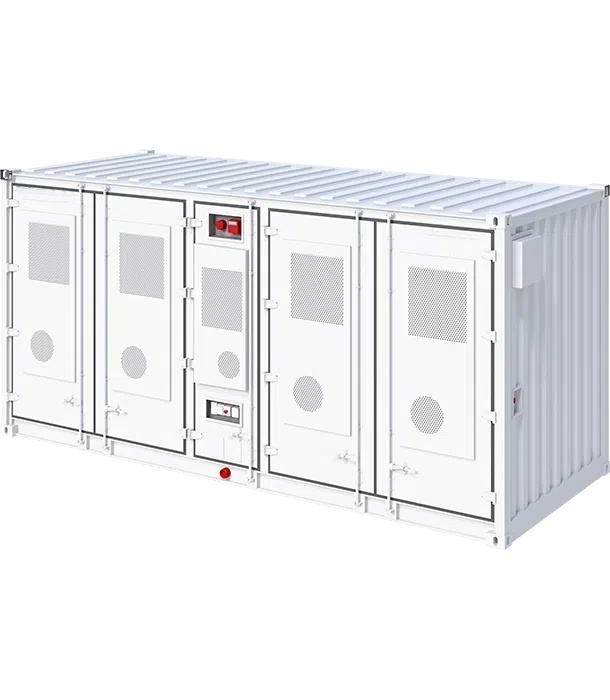
Exploring the Benefits of Large Container Energy Storage Systems for Sustainable Power Solutions
Table of Contents
Introduction to Large Container ESSWhat Is a Large Container Energy Storage System?Key Benefits of Large Container ESSEnhanced Energy EfficiencyReduced Carbon FootprintImproved Grid StabilityApplications of Large Container ESSChallenges and ConsiderationsThe Future of Large Container Energy Storage SystemsCase Studies of Successful ImplementationsFAQs about Large Container ESSConclusion
Introduction to Large Container ESS
As the world grapples with the pressing need for sustainable energy solutions, Large Container Energy Storage Systems (ESS) have emerged as a frontline technology in this transformation. These systems, often housed in shipping containers, provide a flexible and scalable means of energy storage that can effectively address the challenges posed by renewable energy sources. By storing excess energy generated from renewables such as solar or wind, large container ESS enables a more reliable and efficient energy supply, ultimately contributing to a greener future.
What Is a Large Container Energy Storage System?
Large Container Energy Storage Systems are modular units designed to store energy for later use. Typically, these systems are based on advanced battery technologies and can be easily transported and deployed in various locations. They are particularly valuable in integrating renewable energy sources with the grid, as they help to mitigate the intermittent nature of solar and wind power. By acting as a buffer, these systems enable stored energy to be released when demand exceeds supply, thus optimizing the energy distribution network.
Key Benefits of Large Container ESS
Investing in large container ESS can yield a multitude of benefits. Here, we explore three key advantages that underscore their importance in fostering sustainable power solutions.
Enhanced Energy Efficiency
One of the primary benefits of large container ESS is their ability to enhance energy efficiency. By enabling the storage of excess energy generated during peak production times, these systems minimize waste and ensure that energy is available when needed most. For instance, during sunny days, solar panels may produce more energy than the grid requires. Large container ESS can store this surplus, allowing for its use during times of peak demand, thus improving overall energy utilization.
Reduced Carbon Footprint
Large Container ESS contribute to a **reduced carbon footprint** by facilitating a higher penetration of renewable energy sources. By providing a reliable storage solution, these systems can help decrease reliance on fossil fuels, which are the primary contributors to greenhouse gas emissions. As more energy is sourced from renewables and stored in large container ESS, societies can significantly lower their carbon outputs, aligning with global sustainability targets.
Improved Grid Stability
The integration of large container ESS into the power grid enhances overall grid stability. These systems can respond rapidly to fluctuations in energy demand and supply, providing a stabilizing effect that reduces the risk of blackouts and brownouts. By smoothing out the energy supply, large container ESS play a crucial role in maintaining the integrity of the power grid, particularly in regions with high renewable energy penetration.
Applications of Large Container ESS
Large Container ESS can be deployed across diverse applications, all contributing to a more sustainable energy landscape. Here are some notable examples:
Utility-Scale Power Systems
In utility-scale power systems, large container ESS can store significant amounts of energy generated from renewable sources, ensuring a steady supply that meets demand. Utilities can utilize these systems to manage peak loads efficiently and reduce the need for additional fossil fuel power plants.
Microgrids and Off-Grid Systems
Microgrids and off-grid systems benefit greatly from large container ESS, particularly in remote areas where traditional power infrastructure may be lacking. By integrating energy storage solutions, these systems can operate independently, providing reliable power to communities while leveraging local renewable resources.
Commercial and Industrial Applications
Businesses can also harness the advantages of large container ESS by reducing their energy costs and enhancing operational efficiency. For instance, companies can store energy during off-peak hours when rates are lower and use it during peak times, leading to substantial cost savings.
Challenges and Considerations
While large container ESS present numerous benefits, several challenges must be addressed for their successful implementation. Here are some considerations:
Cost of Integration
The initial investment required for large container ESS can be substantial. Organizations must weigh the long-term savings against upfront costs and consider potential financing options to facilitate integration.
Technological Advancements
As battery technologies continue to evolve, keeping pace with new developments is essential. Organizations must stay informed about emerging technologies that may enhance performance or reduce costs in the energy storage sector.
Regulatory Issues
Regulatory frameworks may impact the deployment of large container ESS. Navigating the complexities of energy regulations and policies is crucial for organizations looking to integrate these systems effectively.
The Future of Large Container Energy Storage Systems
The future of large container energy storage systems looks promising, driven by the increasing demand for sustainable energy solutions. As technology advances and costs decline, we can expect broader adoption across various sectors. Additionally, developments in artificial intelligence and data analytics will enable more effective energy management, optimizing the performance of large container ESS and further enhancing their role in the energy landscape.
Case Studies of Successful Implementations
Examining successful implementations of large container ESS can provide valuable insights for organizations considering their deployment.
Case Study 1: Utility-Scale Installation in California
In California, a utility-scale large container ESS was deployed to manage the fluctuations of solar energy generation. The installation has successfully stabilized the grid and reduced the need for fossil fuel-based peaker plants, resulting in significant cost savings and emissions reductions.
Case Study 2: Microgrid Project in Alaska
A remote community in Alaska adopted a large container ESS to create a microgrid powered by local renewable resources. This project has ensured energy independence, decreased reliance on imported fuels, and provided residents with reliable power even during harsh weather conditions.
FAQs about Large Container ESS
1. What types of batteries are used in large container ESS?
Most large container ESS utilize lithium-ion batteries; however, other technologies like flow batteries and lead-acid batteries may also be employed based on specific requirements.
2. How much energy can a large container ESS store?
The energy storage capacity of large container ESS can vary significantly, ranging from hundreds of kilowatt-hours to several megawatt-hours, depending on the system's design and application.
3. Can large container ESS help in emergency situations?
Yes, large container ESS can provide backup power during emergencies and natural disasters, ensuring continuity of essential services and protecting critical infrastructure.
4. What are the maintenance requirements for large container ESS?
Maintenance needs for large container ESS vary by technology but generally include regular inspections, battery management, and software updates to ensure optimal performance.
5. Are large container ESS environmentally friendly?
Yes, large container ESS contribute to environmental sustainability by facilitating the use of renewable energy and reducing reliance on fossil fuels, thereby lowering greenhouse gas emissions.
Conclusion
Large Container Energy Storage Systems represent a vital component in the transition toward sustainable power solutions. Their ability to enhance energy efficiency, reduce carbon footprints, and improve grid stability makes them indispensable in today's energy landscape. By understanding the benefits, applications, and challenges of large container ESS, stakeholders can make informed decisions that advance their sustainability goals. As technology continues to evolve, the potential for large container ESS will only grow, paving the way for a greener, more resilient energy future.
Related News

5 days left to start the CHINA WIND POWER (CWP)
Sep 18,2025

Get in touch with us!


